Wabi-Sabi Design: Embracing Imperfection in a Remodel
When you imagine what your home would look like on the other side of a renovation or remodeling project, what comes to mind?
Is the final product perfect? Or can you see something beautiful in the flaws?
A slightly worn but comfortable armchair. Some wear on the wood floor. A favorite vase with a chip in it. A table with signs of use.
Why Perfect Isn't Always the Goal
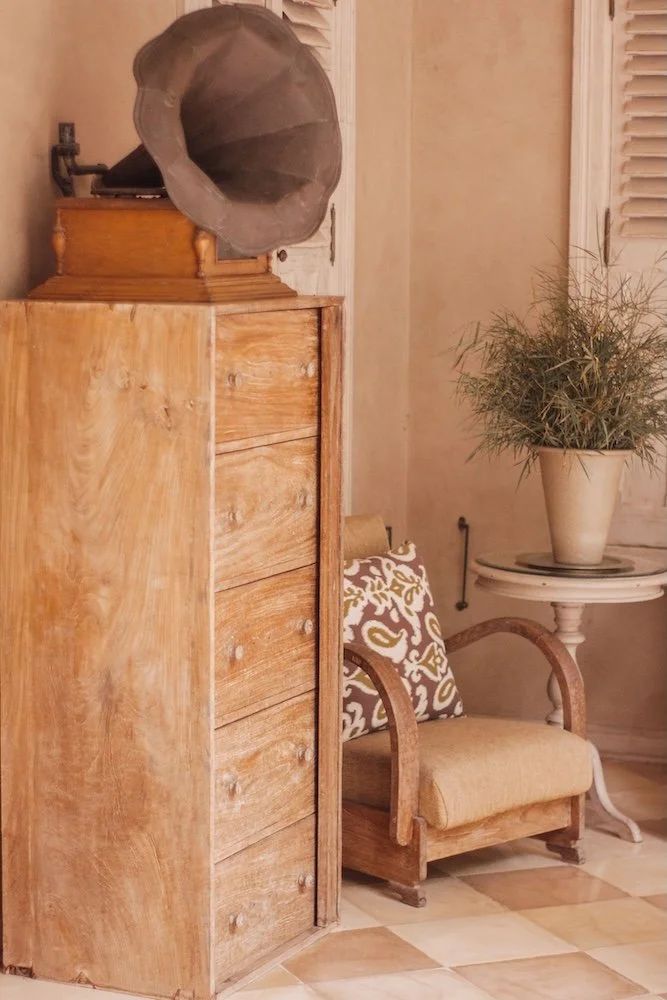
Why this works: This aged, natural wooden chest wtih the antique patina-finished gramaphone and worn accent chair combined with the painted round table create a wabi-sabi feel.
At Urban Kitchens, we've designed and built many showroom-perfect spaces, and we're proud of that work. But there's another design aesthetic that embraces the beauty of imperfection: wabi-sabi.
Wabi-sabi, at its core, is the acceptance of imperfection in everything natural and human-made — a philosophy, and a way of seeing and interacting with the world.
It's often described in design circles as simply "relishing the beauty of imperfection," and that's part of it. But wabi-sabi runs deeper than an aesthetic choice.
Embracing imperfection in design leads to a space that feels warmer, more lived-in, more human. Think of an old book, a favorite pair of well-worn jeans, or the spot on a beautiful rug where your dog always slept. It's the memories and stories behind those flaws that give meaning to our spaces. They lend a feeling of aliveness — proof that a space has actually been lived in.
What Beautiful Imperfection Looks Like in a Remodel
When designing with this philosophy in mind, certain textures, fabrics, and materials lend themselves especially well to this aesthetic and lifestyle.
Natural materials like linen and leather are rich and tactile. Hand-scraped wood floors, intentionally imperfect, are often pricier than perfectly uniform options. Cabinets that are intentionally distressed can make a space feel loved and lived-in. Hand-painted tiles are far from flawless, but often more desirable for exactly that reason. Stone countertops and floors carry their own kind of beautiful imperfection.
Combining vintage pieces, family antiques, and heirlooms with new furniture is one of the best ways to honor story and history in your home.
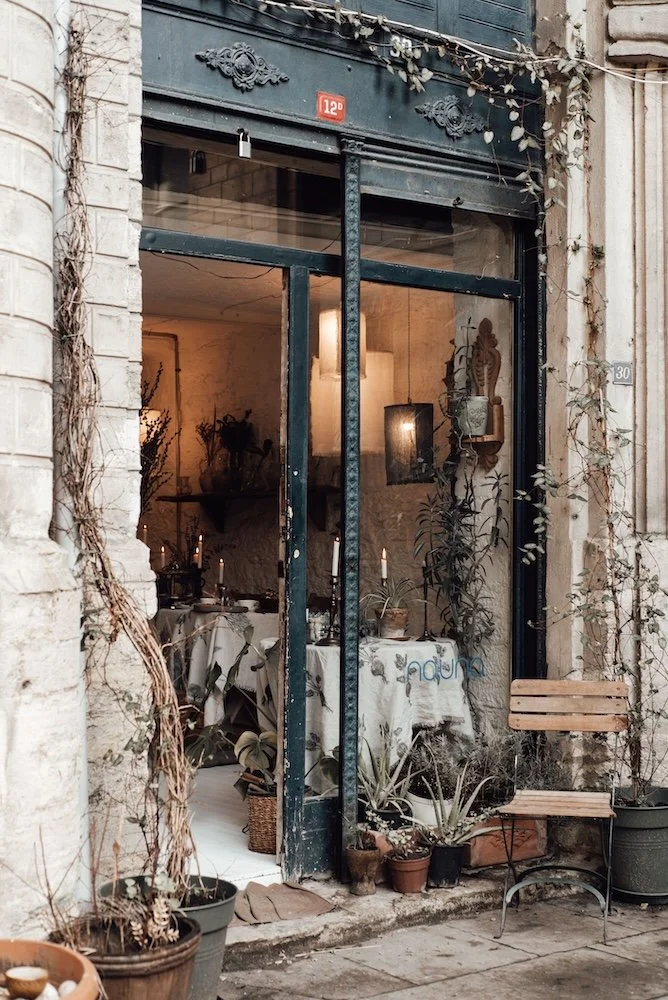
Why it works: Notice the mismatched light fixtures inside, the various shaped candles on the tables, the different sizes and textures of plants, the worn wooden chair outside, the dark metal door frame contrasted with the white textured stone wall. It’s a wabi-sabi paradise.
The Balance: Imperfect Doesn't Mean Unfinished
At Urban Kitchens, we pride ourselves on preserving the good bones of any space. Sometimes structures need to be removed, but often there are pieces that just need a little love and attention. Blending the old with the new isn't only more economical — it results in unique, inviting interiors full of personality.
Curated character is a design choice, not the same thing as neglect. A good designer knows what to keep and what needs to go. With our years of experience, we weigh function, safety, and structural integrity when making these decisions.
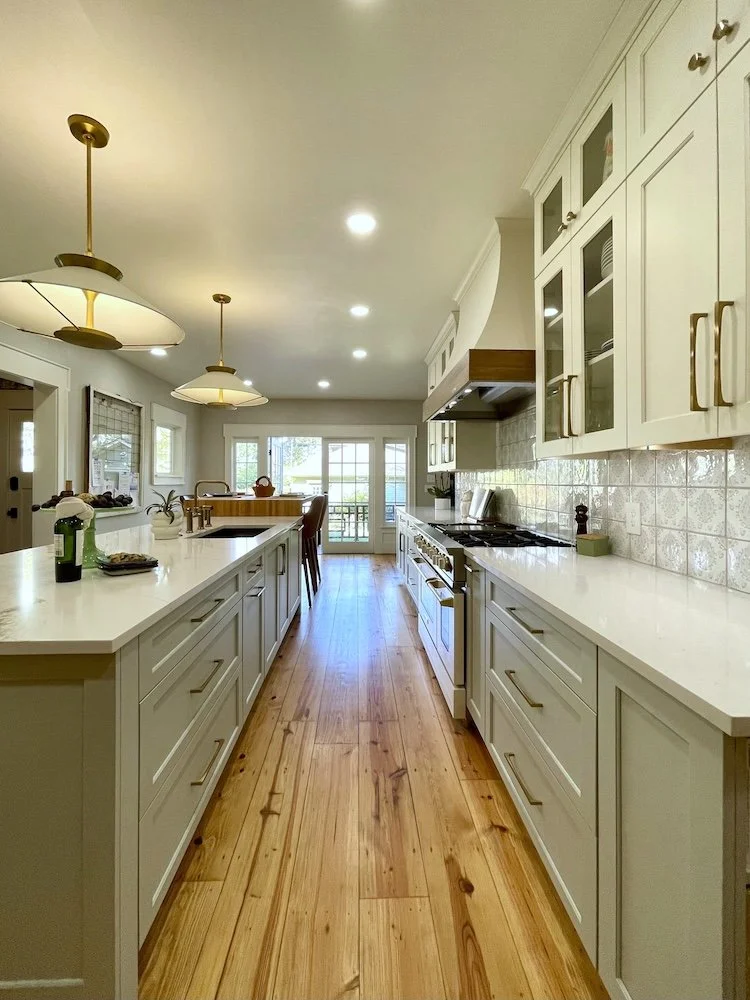
Take a whole-home remodel we completed in the historic Mesta Park district of Oklahoma City. We refinished the original wood floors, imperfections and all, used hand-painted tile for the kitchen backsplash, and installed custom cabinets with an uneven finish to add warmth and interest to the space.
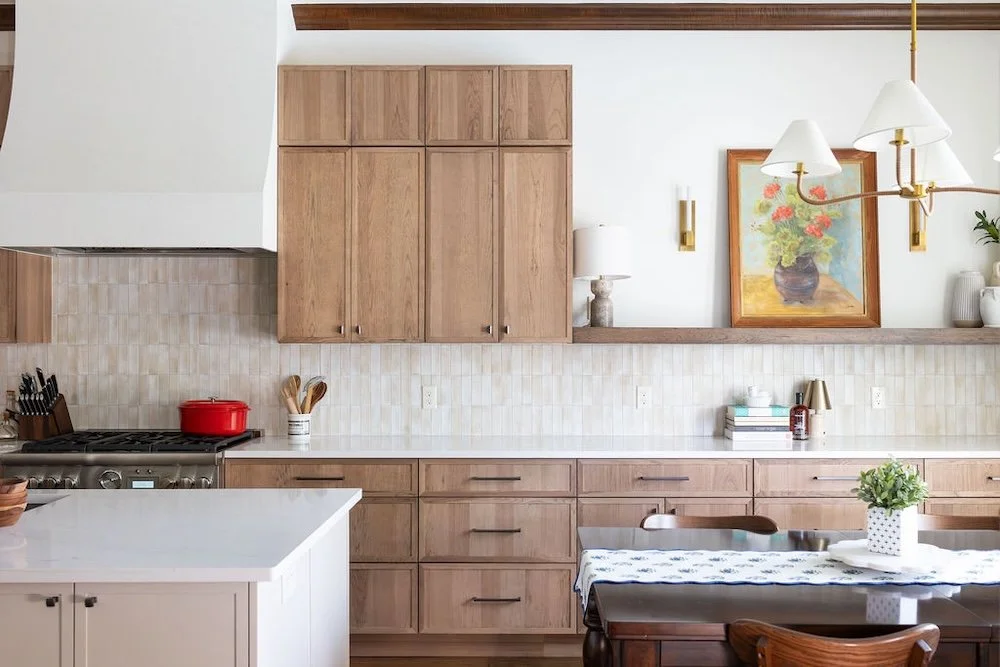
In Edmond, a kitchen remodel told a similar story. We paired modern cabinets with hidden hinges against a tile backsplash with color variation to break up uniformity, and built a dedicated shelf to showcase the homeowner's 50-year-old still life painting — the true focal point of the kitchen.
Practical Ways to Bring This Into Your Own Remodel
If the wabi-sabi way of thinking and living sounds like a good fit for you, here are a few rules of thumb to keep in mind when selecting pieces, finishes, and other details for your remodel:
Use one or two imperfect or older items as an anchor for the space, such as a well-worn rug, painting, or antique light fixture.
Choose finishes that age gracefully, such as unlacquered brass, honed stone, natural wood, leathered upholstery, terra cotta floors, wool rugs and upholstery, butcher block countertops, wrought iron, and copper accents.
Keep, or only minimally refinish, unique historical details in your home — original windows, fireplaces, molding, exposed beams, and original wood floors.
At Urban Kitchens, every project we take on is built on a foundation of deep listening. We get to know you and every element of your home, which leads to designs that incorporate what's loved and cherished into functional, beautiful spaces.
So, picture that armchair again — a little worn, endlessly comfortable. The chipped vase still sitting exactly where it belongs. That's not a home that needs fixing. That's a home that's already telling your story, and we'd love to help you build the next chapter of it.
If you'd like to start a conversation about renovating or remodeling your home, reach out through our website or stop by our design + build studio in central Oklahoma City.
